
The Stage-Gate Method for Lending Platform Builds
Six stage gates. Each one a decision point — not a milestone. The institution earns the right to proceed by demonstrating readiness, not by completing a calendar.
Read articleStrategy and economics. Product and credit architecture. Operations and workflow. Technology and data. Organization and talent. Distribution and source strategy. Governance and controls. Each workstream is a domain of work — not a phase.
In short
Every Mainlynk lending platform build is organized around seven workstreams — not phases. They run in parallel across the build: strategy and economics, product and credit architecture, operations and workflow, technology and data, organization and talent, distribution and source strategy, and governance and controls. Each must be addressed for the platform to function correctly. The workstreams are interdependent — a credit architecture not supported by operations workflow will not produce the volume it was designed for.
Key takeaways
Every Mainlynk lending platform build is organized around seven workstreams. They are not phases — the work in each workstream runs in parallel across the build, not sequentially. They are domains of work, each of which must be addressed for the platform to function correctly.
Strategy and economics covers the business case for the platform: the target market, the product scope, the volume and revenue projections, the cost structure, and the economic conditions under which the platform is viable. This workstream produces the engagement mandate — the document that records what the institution is building, why, and on what terms.
Product and credit architecture covers the design of the credit product itself: the credit box, the underwriting criteria, the pricing model, the delegated authority framework, the exception governance process, and the credit risk management approach. This workstream determines what the institution will lend, to whom, on what terms, and under what controls.
Operations and workflow covers the process design for origination, underwriting, closing, funding, and servicing. It includes file preparation standards, quality control checkpoints, cycle time targets, and the workflow technology required to support the process at the target volume. This workstream determines whether the platform can actually process the volume it is designed to generate.
Technology and data covers the technology infrastructure required to support the platform: the LOS, the data environment, the AI tools, the integration architecture, and the reporting and analytics capability. This workstream determines whether the institution’s technology can support the operating model it has designed. Technology economics are disclosed before any recommendation is made.
Organization and talent covers the leadership structure, role definitions, staffing plan, compensation design, and training requirements for the platform. This workstream determines whether the institution has — or can acquire — the people required to run the platform at the target scale.
Distribution and source strategy covers how the platform reaches borrowers: RM territories, centers of influence, marketplaces, advisers, brokers, embedded partners, and Network readiness. This workstream is frequently underbuilt in early-stage platform designs — institutions invest in credit architecture and operations before they have a clear answer to how volume will actually be generated.
Governance and controls covers the policy framework, the audit and compliance infrastructure, the model risk management requirements, the third-party oversight program, and the board and management reporting structure. This workstream determines whether the platform can operate in a regulated environment — and whether it can survive an examination.
The seven workstreams are interdependent. A credit architecture that is not supported by the operations workflow will not produce the volume it was designed for. An operations workflow that is not supported by the technology infrastructure will not scale. A distribution strategy that is not integrated into the operating model will not generate the pipeline the economics require. A governance framework that is not built into the platform from the start will not hold under examination. The workstreams must be built together — not sequentially, and not in isolation.
Unfamiliar with a term? See the Institutional Lending Network Glossary
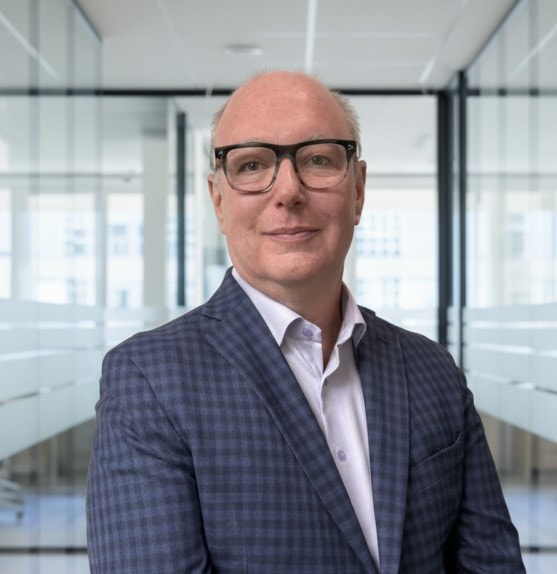
Chuck Doherty
Founder, Mainlynk
Chuck Doherty founded Mainlynk to help community banks and credit unions build lending capability, govern technology decisions, and protect institutional relationships.
Editorial note
This article reflects Mainlynk's institutional perspective and analytical framework. It does not constitute legal, regulatory, or investment advice. Institutions should consult qualified counsel before acting on any information contained herein.
Factual and performance claims in this article are maintained in Mainlynk's internal claim-support records, including source, period, methodology, assumptions, and whether each claim is historical, projected, illustrative, or supplied by a third party. Member names, logos, testimonials, or data require approval.
Six stage gates. Each one a decision point — not a milestone. The institution earns the right to proceed by demonstrating readiness, not by completing a calendar.
Read articleThree archetypes. One selection method. The choice is made from evidence about what the institution actually has — not from a preference about what it wants to become.
Read articleThe RM is not a loan officer. The RM is a relationship architect. A specialty lending platform built around the RM model requires a different kind of support than one built around a centralized credit desk.
Read articleMainlynk
Mainlynk builds lending platforms for community and regional institutions — from archetype selection through the six stage gates to a platform the institution owns and operates.